
From Cornfield to Coffee Table
source:Hi Anhui 2026-04-29 15:07

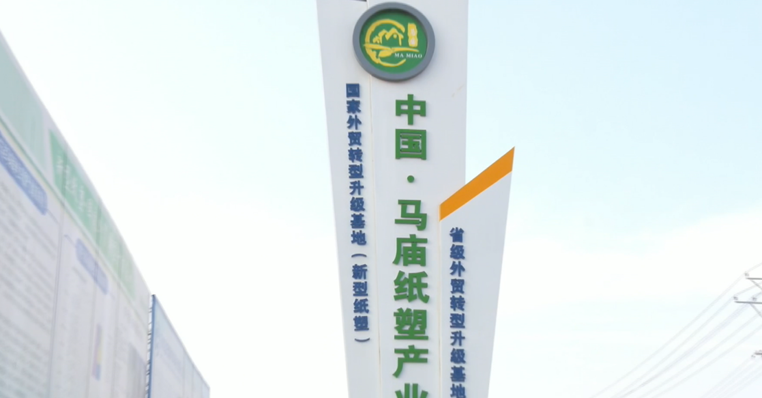
In Huaining County's town of Mamiao, Anhui Province, corn is more than just food—it is also a powerful ally in the fight against plastic pollution, driving a rapidly growing paper-plastic industrial cluster that exports nearly $100 million worth of products annually. Here, corn starch is processed through bio-modification, thermoforming, and other techniques to create sturdy, heat-resistant, waterproof cups, meal containers, and straws. Unlike traditional plastics, these products degrade by over 90% within 90 days under industrial composting conditions, leaving no microplastics behind.
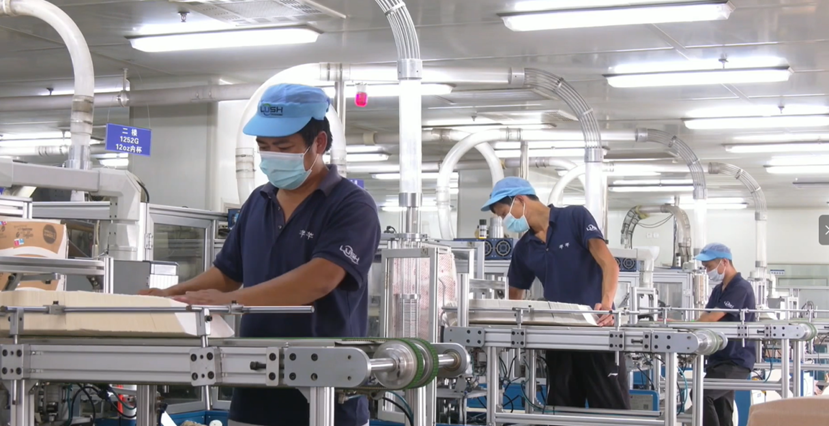
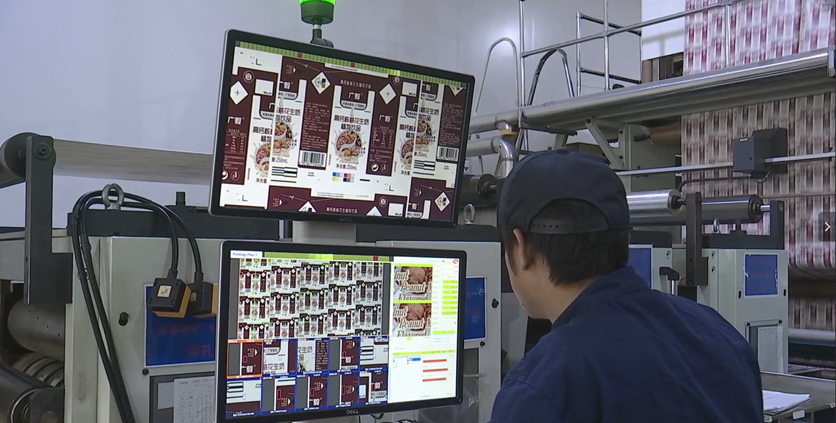
As the world races to reduce the use of single-use plastics, paper-plastic enterprises in Mamiao have opened their production lines to international media platforms such as Packaging Europe, using videos to fully demonstrate the manufacturing process from raw materials to finished goods. These everyday items reach households in more than 30 countries—from Europe, the United States, and the Middle East to Southeast Asia—via cross-border e-commerce platforms like Shopee and Lazada.
This small town has even greater ambitions. A green paper-plastic industrial park is in the planning stages, set to extend product lines beyond tableware into areas such as agricultural mulch films and medical consumables, offering solutions for a variety of industries. "Our goal is simple," said a local entrepreneur. "Every paper cup shipped from Huaining should serve a purpose—to help ease the burden on the planet."

From cornfields in China to coffee tables around the world, Mamiao is delivering a powerful message: small places can provide big solutions to the global problem of plastic pollution.

By Zhu Nenggan, Huang Chengpi

Web editors: Chen Liang, Ding Lili
From Cornfield to Coffee Table
Hi Anhui 2026-04-29 15:07

In Huaining County's town of Mamiao, Anhui Province, corn is more than just food—it is also a powerful ally in the fight against plastic pollution, driving a rapidly growing paper-plastic industrial cluster that exports nearly $100 million worth of products annually. Here, corn starch is processed through bio-modification, thermoforming, and other techniques to create sturdy, heat-resistant, waterproof cups, meal containers, and straws. Unlike traditional plastics, these products degrade by over 90% within 90 days under industrial composting conditions, leaving no microplastics behind.

As the world races to reduce the use of single-use plastics, paper-plastic enterprises in Mamiao have opened their production lines to international media platforms such as Packaging Europe, using videos to fully demonstrate the manufacturing process from raw materials to finished goods. These everyday items reach households in more than 30 countries—from Europe, the United States, and the Middle East to Southeast Asia—via cross-border e-commerce platforms like Shopee and Lazada.

This small town has even greater ambitions. A green paper-plastic industrial park is in the planning stages, set to extend product lines beyond tableware into areas such as agricultural mulch films and medical consumables, offering solutions for a variety of industries. "Our goal is simple," said a local entrepreneur. "Every paper cup shipped from Huaining should serve a purpose—to help ease the burden on the planet."

From cornfields in China to coffee tables around the world, Mamiao is delivering a powerful message: small places can provide big solutions to the global problem of plastic pollution.

By Zhu Nenggan, Huang Chengpi

Web editors: Chen Liang, Ding Lili